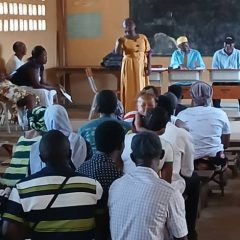
Second Term Report on our EducAid Project
One World Link (OWL) is working in partnership with EducAid Sierra Leone through a collaborative teacher training project to ignite exciting quality education in five OWL schools in Bo district. This partnership with EducAid focuses on improving primary education in the linked schools in Bo with an initial focus on 5 schools who requested to participate. The initiative is part of OWL’s broader commitment to strengthen community resilience and global awareness through sustained collaboration and mutual learning, using EducAid’s ‘Ten Top Strategies for Teaching and Learning’ (TTS)
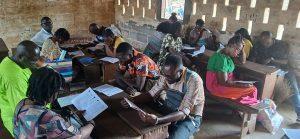
EducAid report that Implementation of the TTS in the five OWL schools is indeed underway. Some teachers are making significant strides in incorporating this tool into their teaching and across the schools we have seen a significant increase in implementation. Areas of progress include:
- There are currently no suspected concerns regarding the safeguarding and safety of students in the schools.
- Improved documentation: The staff time books, school logbooks, and student registers are complete and up-to-date.
- Improved administrative practice in most of the schools: Emergency drills, teachers signing the TSC Code of Conduct, subsidy usage being recorded and used in schools.
- Improved behaviour management: We are seeing significant improvement on teachers refraining from using canes in the classroom. They are replacing corporal punishment with more respectful alternatives.
Particular progress has been made with Strategies 9 (Make teaching and learning fun), 6 (Know the children’s ability at any given time) and 5 (Believe in your students)
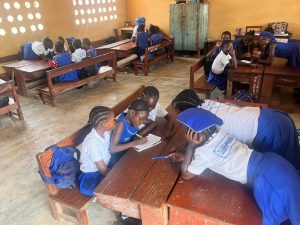
Attendance has been a challenge because there were a lot of activities during the second term. Extra curricular activities (sports and other school celebrations), as well as traditional cultural activities. JP (EducAid’s resident mentor), says “There are some students staying far from the school and during interviews with them, they usually walk to school everyday as most of them stay with their aunties and uncles (rather than their direct biological parents), they arrive quite late at school, so they are not counted in the morning attendance. This made me embark on doing house to house visits to talk with families about the poor attendance of their children, which leads to loss of learning.”
Despite these challenges, we are working diligently to navigate in the direction where we will see every student in school by the end of third term. This will happen through continuous engagement with community stakeholders.
If you wish to contribute to this project, please use out JustGiving page